
How to Protect Yourself from Scams this Tax Filing Season

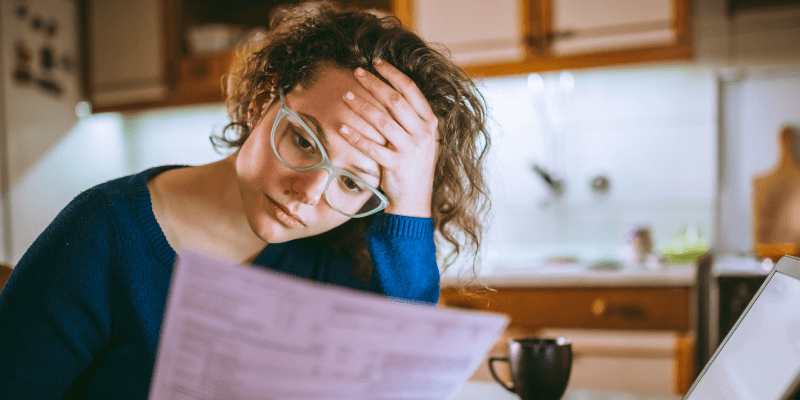
As you collect your W-2 forms, 1099 forms, and other tax documents, the last thing you want to worry about is being scammed. The losses can be steep with one survey finding 10% of tax scams costs people more than $10,000. Filing taxes can be a confusing process, which is why many turn to a tax professional for help. Unfortunately, scammers are taking advantage of this by posing as professionals or promoting bad advice online.
While some scammers operate as “ghost preparers” who disappear after taking your money and data, the threats are much broader. From misleading social media posts promising large refunds to official-looking emails designed to steal your information, it’s crucial to be vigilant. You can keep your guard up by learning to recognize the warning signs.
Protecting Yourself: Recognizing Modern Tax Scams
Tax fraud has evolved far beyond simple paperwork errors, tapping into sophisticated digital deceptions. To protect your identity and your finances, stay informed about the latest methods scammers use to target taxpayers.
- Email and Text Scams: Seemingly legitimate emails and text messages from the IRS are a common tactic used by scammers. Known as phishing, for emails, and smishing, for texts, these messages often create a sense of urgency, threatening you with legal action or enticing you with a surprise refund, or include a malicious link, seeking to obtain your personal information. The IRS typically initiates contact through postal mail, not by asking for personal data via email or text.
- Bad Social Media Advice: Be skeptical of tax “hacks” you see on social media. Scammers and influencers spread misinformation, encouraging people to claim tax credits they don’t qualify for. This bad advice can lead to a delayed refund, audit, or significant penalties. If it sounds too good to be true, it almost certainly is.
- Dishonest Tax Preparers: Seemingly legitimate tax professionals make empty promises of large tax credits and benefits. Then, they walk away with your personal information and, in some cases, your entire refund.
Identifying the Red Flags
There are some common qualities to look out for with phony preparers:
- They don’t sign your return. Every preparer must sign your returns and include their preparer tax identification number whether on paper or digitally. This number is required by anyone who prepares tax returns for a profit.
- They charge deceptive costs with your return. Many times, these scammers will ask for cash-only payments and won’t provide a receipt. Another tactic is to offer a percentage of your tax return which incentivizes them to commit fraud on your return.
- They make calculated errors on your return. If a scammer is offering to prepare your refund based on a percentage of your return, they may exaggerate or undersell your income and deductions to ensure a larger refund to you and payoff for themselves – leaving you to foot the bill for a cost of an audit.
- They ask you to sign a blank or incomplete return. At the end of the day, you are responsible for what is on your return. Carefully review all of the information on your forms to ensure it is correct and complete.
- They use a bank account other than yours. Instead of the money going directly into your account, these scammers may try to convince you to deposit your refund into their account. The IRS recommends that you file electronically and select direct deposit to your own account.
Finding the Green Flags
A trustworthy tax professional will help you file an accurate return and get all the credits and deductions you are entitled to.
- They have a Preparer Tax Identification Number. This number is required for all federal tax return professionals. You can also look for your tax preparer through the Better Business Bureau’s website.
- They are available year-round. If questions about your tax return arise later, you need to be able to contact your preparer.
- They will ask you for your proper documents. A good preparer will need your W-2s, 1099s, receipts, and other records to properly prepare your return. They will also ask questions to understand your complete financial situation.
- They will sign your return and include their PTIN. Legitimate preparers are proud to stand behind their work and will always sign your return.
If You Have Been Scammed
Protect your personal and financial information during this tax season. Before you file, take a moment to verify your tax preparer’s credentials and be skeptical of any advice that promises unrealistic results. With online and mobile banking and automated alerts to your account, you can keep a close eye on your account and see what money comes in from the IRS.
Even if your tax return or refund hasn’t been impacted, the IRS recommends that you report improper tax preparation practices. If your Social Security Number is compromised, contact the Social Security Administration. You can also place a fraud alert on your credit reports with Equifax, Experian and TransUnion.
Our trusted team of Associates are here to help you this tax season, if you are concerned that you may have been comprised, call us at 888.973.7226 or visit your nearest banking office.
 |
BY SHELLY KAVANAGH Shelly Kavanagh is Senior Vice President, Director of Retail Delivery for WSFS Bank… |
Recent Articles

This time of year is perfect for a fresh start and building new habits. While many focus on organizing their…

The holidays are a time of generosity and joy, but once the decorations are packed away, the arrival of credit…

If managing your finances is at the top of your list for 2026, you’re not alone. Some of the most…

Helping you boost your financial intelligence.
Read our financial resources from your friends at WSFS.